A Wholeness That Can't Be Broken

Today is October first, and already the light feels different than it did just a few weeks ago. Evenings come sooner, the air is cooler and shadows stretch longer.
It's irrational, but I sometimes feel annoyed about having to let summer go (ex: no more really good peaches ~ why does it have to be this way?). I wonder if this attitude is leftover from being a kid and the end of summer vacation, or maybe it's about not wanting to turn toward the shadowy part of the year ~ and the shadowy parts of life. Summer has a brightness and buoyancy that makes it easier to stay outward-focused, to keep moving. Fall has a different rhythm. Maybe you're feeling it, too?
For me, that shift is bittersweet ~ there’s beauty in the changing light and a kind of relief to be found in coziness. But I also feel some uneasiness and dread about the days that just keep getting darker.
Maybe that’s part of what autumn asks us to do, even though we might not want to: shift gears, bring our energy inward, stop running from the shadows ~ the ones we see around us and the ones inside.
Carl Jung described the shadow as the parts of ourselves we’d rather not see ~ the qualities we deny, repress or push away because they feel too complicated, scary or inconvenient. He also saw the shadow as vital, because turning toward it is a necessary part of reclaiming our wholeness.
So often, things are not what they first appear to be. Whenever I can slow down and turn toward what's hard to face inside, I experience that the very places I see as scattered or broken actually belong. They don’t ruin my wholeness ~ they can't. When I can see them accurately, they expand my understanding of what wholeness is.
This poem feels like a companion to that understanding:
Recognition
by Tess Gallagher
Staring down from the bridge
at the moon
broken up
in the river, who
could know, without looking
up, it stands whole above
its shattered self.
from Is, Is Not (Graywolf Press, 2019)
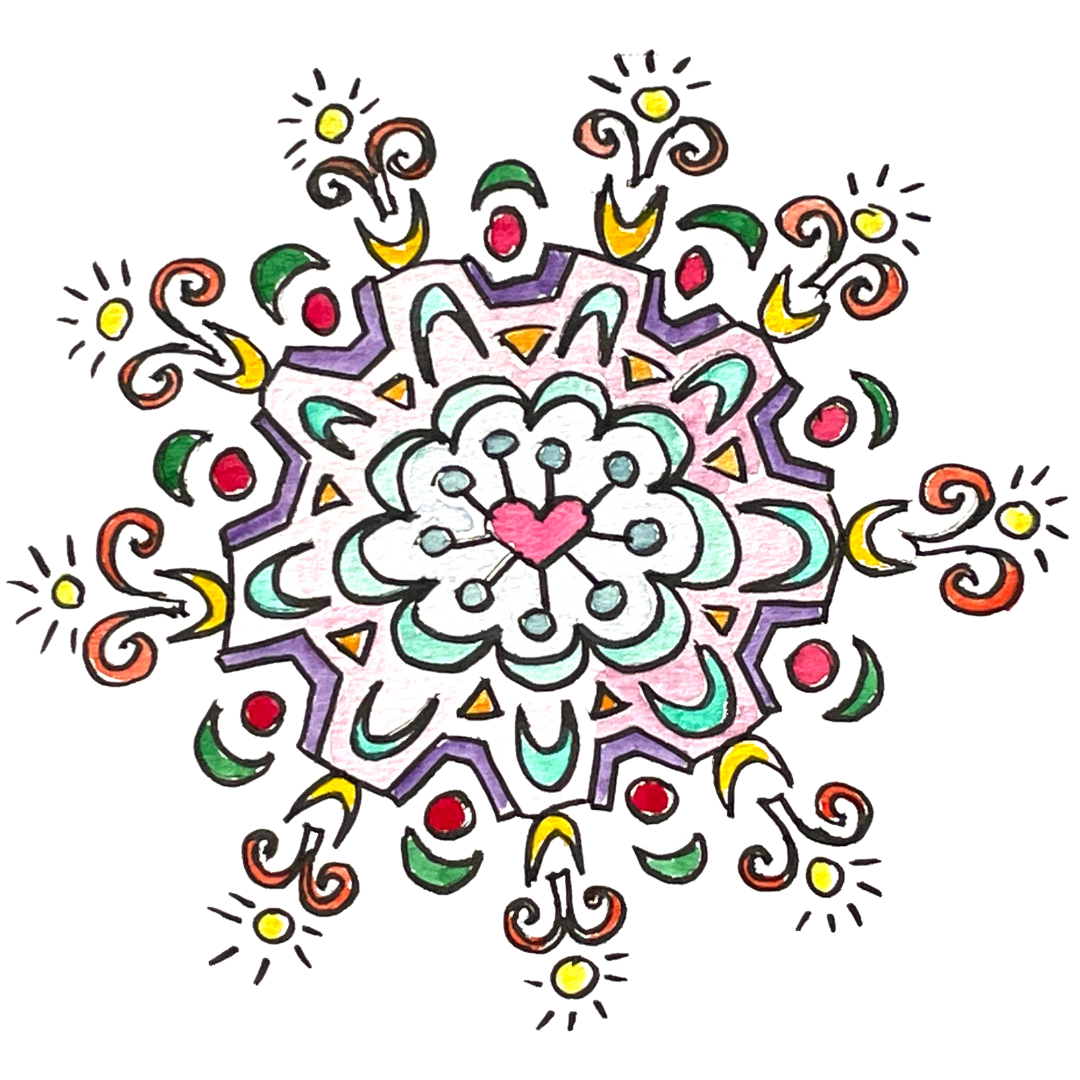
This image of the moon ~ whole above, fragmented below ~ feels like the perfect metaphor for shadow. At first, what we see may look like only pieces. It can feel as if something is broken or missing in us.
But the wholeness is here. Even when all we see are scattered reflections, there is an intactness that hasn’t gone anywhere. It can't be destroyed.
The practice of self-compassion strengthens the part of us that knows this, and reminds us to look up. To recognize that the shadow and the fragments are not proof of our brokenness. They are invitations to reconnect with the wholeness we are. With the understanding that this, too, belongs.
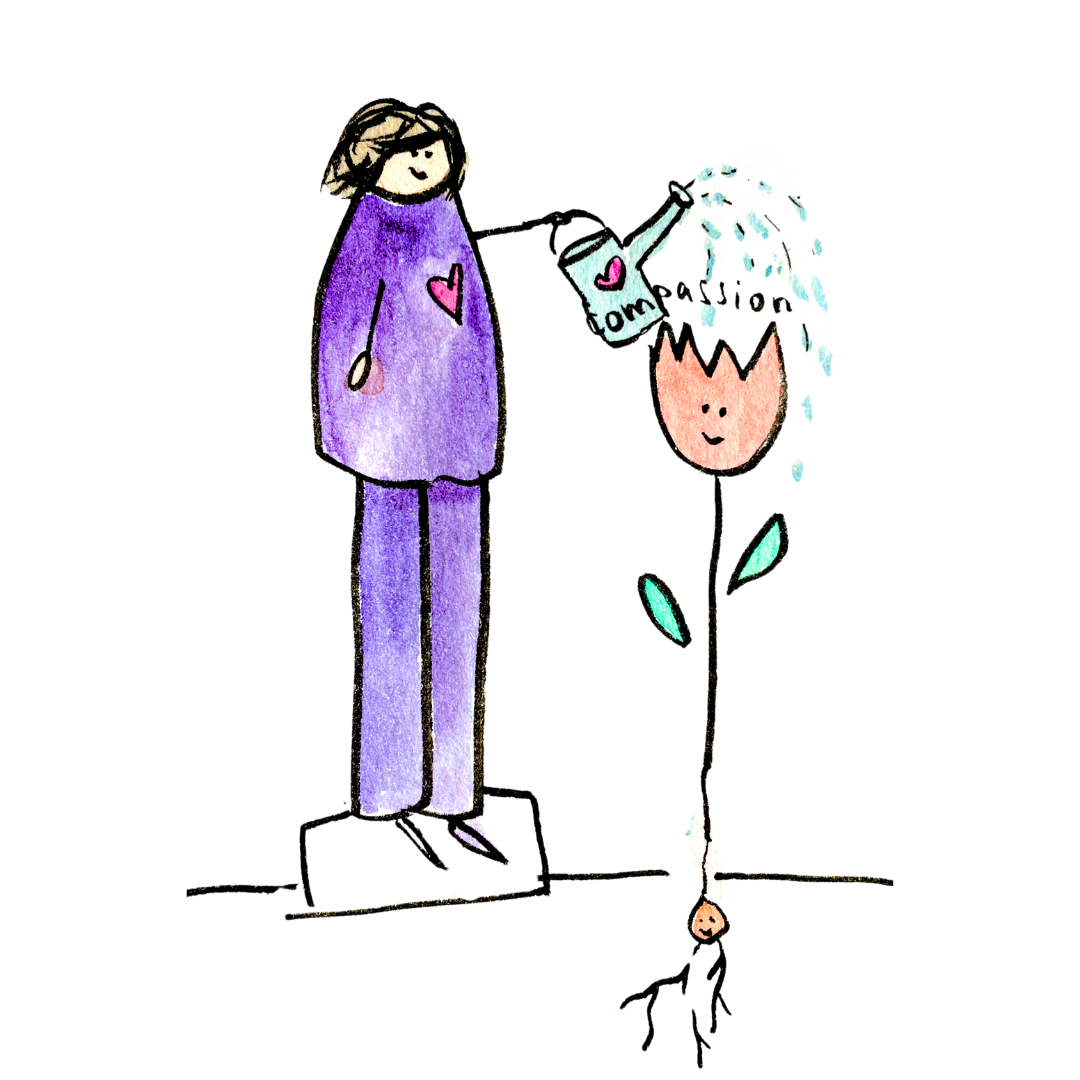
Would you like to practice with this a bit more? Try putting a hand on your heart and taking three breaths.
With each inhale, say to yourself: what if there's a wholeness
With each exhale, say: that can't be broken
When you finish, notice how you feel.
Author